About The Client
An automotive air conditioning manufacturing company, recognized as a key supplier to major automotive OEMs (Original Equipment Manufacturers), faced significant challenges in a rapidly evolving market. With increasing competition, rising customer expectations for quality and speed, and stringent environmental regulations, the company realized the need for a comprehensive enterprise transformation.
The goal was to unlock untapped potential, drive consistent operational improvements, and pivot towards innovative product development to solidify its position as a world-class manufacturer.
The Problem
Inefficient Production Processes
- The company’s production processes were heavily reliant on manual labor and outdated machinery, leading to long lead times averaging 8-10 weeks. This inefficiency hindered the ability to respond swiftly to customer demands.
- Lack of integration between different production lines resulted in silos of information, making it difficult to optimize workflows and resource allocation.
Inconsistent Quality Control
- Quality control measures were primarily manual and reactive, resulting in a defect rate of approximately 4%. This led to increased warranty claims, customer dissatisfaction, and damage to the company’s reputation.
- The absence of real-time quality monitoring meant that issues were often detected too late in the production process.
Limited Flexibility in Operations
- The rigid scheduling practices did not allow for quick adjustments based on changing market demands or production disruptions. This inflexibility resulted in missed opportunities and excess inventory.
- The inability to quickly pivot production schedules meant that new product introductions were often delayed.
Outdated Maintenance Practices
- Maintenance was primarily reactive, with equipment failures leading to unexpected downtimes that disrupted production schedules. The average downtime per machine was around 15 hours per month.
- Lack of predictive maintenance strategies resulted in higher maintenance costs and reduced overall equipment effectiveness (OEE).
Supply Chain Vulnerabilities
- The company relied on a limited number of suppliers for critical components, exposing it to risks from geopolitical tensions and natural disasters that could disrupt supply.
- Inventory management practices were inefficient, leading to stockouts of critical components or excess inventory that tied up capital.
Solutions
To address these challenges, the company embarked on a comprehensive enterprise transformation strategy focusing on several key areas.
Driving Operational Excellence
AI-Based Planning and Scheduling
The company implemented an AI-driven production scheduling system that utilized machine learning algorithms to analyze historical production data, current orders, and resource availability. This system allowed for dynamic scheduling adjustments based on real-time data inputs, reducing planning time by 95% and improving on-time delivery rates by 30%.
Digitized Work Instructions
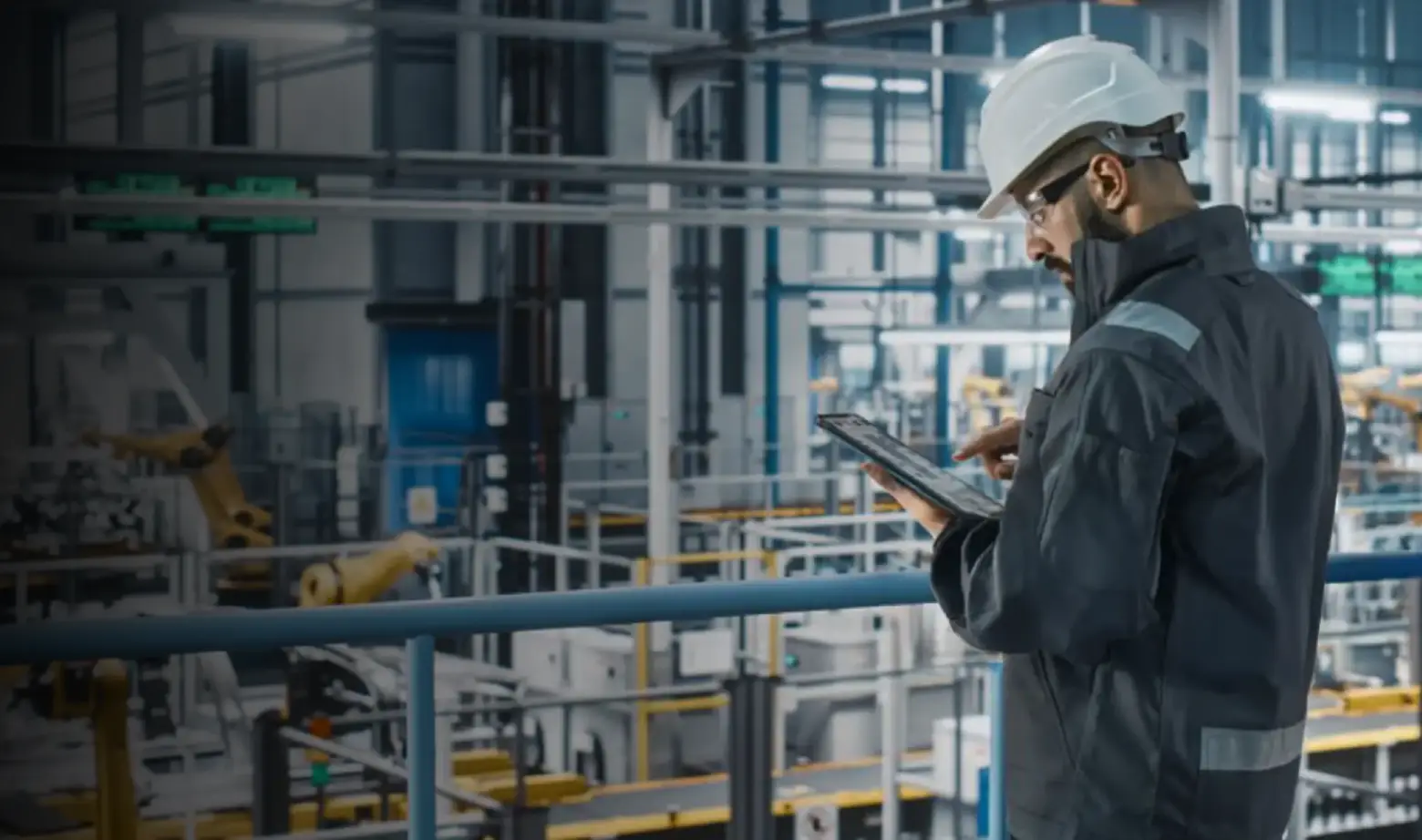
Work instructions were digitized and made accessible through tablets on the shop floor. This ensured that all employees had access to up-to-date information regarding processes, assembly techniques, and safety protocols. The digitization reduced errors by 20% and improved training efficiency for new employees.
Optimizing Yield and Overall Equipment Effectiveness (OEE)
Implementation of OEE Metrics
The company introduced OEE metrics across all production lines to monitor machine performance continuously. By analyzing OEE data, they identified bottlenecks such as prolonged setup times or equipment malfunctions. Changes implemented based on this analysis resulted in a 25% increase in overall equipment effectiveness.
Yield Optimization Techniques
Advanced analytics were applied to optimize yield rates by analyzing production data for patterns indicating inefficiencies or defects. By implementing corrective actions based on these insights, the company improved yield rates from 85% to 95%.
Predictive Maintenance and Condition Monitoring
IoT-Enabled Sensors
IoT sensors were installed on critical machinery to monitor performance metrics such as temperature, vibration, and operational hours in real time. This predictive maintenance approach allowed the company to anticipate equipment failures before they occurred, reducing unplanned downtime by 40%.
Data Analytics for Maintenance Scheduling
By leveraging data analytics tools, the company optimized maintenance schedules based on actual machine usage rather than fixed intervals. This approach reduced maintenance costs by 15% while ensuring machines operated at peak efficiency.
Closed-Loop Quality Systems
Automated Quality Control Systems
The implementation of automated quality control systems integrated with production lines enabled real-time monitoring of product quality during manufacturing. Sensors captured data on critical quality parameters such as pressure tests and leak detection.
Feedback Loops for Continuous Improvement
Closed-loop systems provided immediate feedback on quality issues detected during production. This allowed for rapid corrective actions before defective products reached customers, reducing defect rates from 4% to less than 1% within six months.
Building Resilient Supply Chains
Diversification of Suppliers
To mitigate risks associated with supplier dependency, the company expanded its supplier network to include multiple sources for critical components across different geographic regions. This diversification ensured a steady supply of materials even during disruptions.
Data-Driven Demand Forecasting
Advanced data analytics tools were utilized for demand forecasting. By analyzing historical sales data alongside market trends, the company improved its ability to align production schedules with market demand more effectively.
Technology
- AI-Based Production Scheduling Software
- IoT Sensors
- Automated Quality Control Systems (QCS)
- Data Analytics Platforms
- Digitized Work Instruction Tools
The Result
Through strategic enterprise transformation focused on driving operational excellence using AI-based planning and scheduling, digitized work instructions, yield optimization techniques, predictive maintenance strategies, closed-loop quality systems, and resilient supply chains, the automotive air conditioning manufacturing company successfully unlocked its untapped potential.
This comprehensive approach not only enhanced efficiency but also positioned the company as a leader in innovation within the automotive industry. By embracing advanced technologies and fostering a culture of continuous improvement, the company established a strong foundation for sustainable growth and competitiveness in an increasingly dynamic market landscape while ensuring alignment with customer expectations and regulatory requirements.
The transformation journey not only revitalized its operations but also set new benchmarks for quality and responsiveness within the industry.
The Outcomes
Significant Reduction in Lead Times
The implementation of AI-based scheduling reduced average lead times from 8-10 weeks down to just 4-5 weeks, enabling quicker responses to customer orders and enhancing competitive advantage.
Enhanced Product Quality
Closed-loop quality systems decreased defect rates from 4% to less than 1%, significantly improving customer satisfaction and reducing warranty claims by over 45%, which positively impacted profitability.
Increased Operational Efficiency
Overall equipment effectiveness improved by 25%, resulting in higher productivity levels across the manufacturing floor. This improvement translated into annual cost savings in millions due to reduced labor costs and waste.
Reduced Downtime through Predictive Maintenance
Predictive maintenance initiatives led to a 40% reduction in unplanned downtime, allowing for smoother operations and better utilization of resources across all shifts.
Improved Supply Chain Resilience
Diversifying suppliers resulted in a more robust supply chain capable of withstanding disruptions. This change led to a 30% improvement in on-time delivery rates from suppliers.
Innovation in Product Development
Enhanced operational capabilities allowed the company to pivot quickly into new product development initiatives, driving significant growth and market impact.