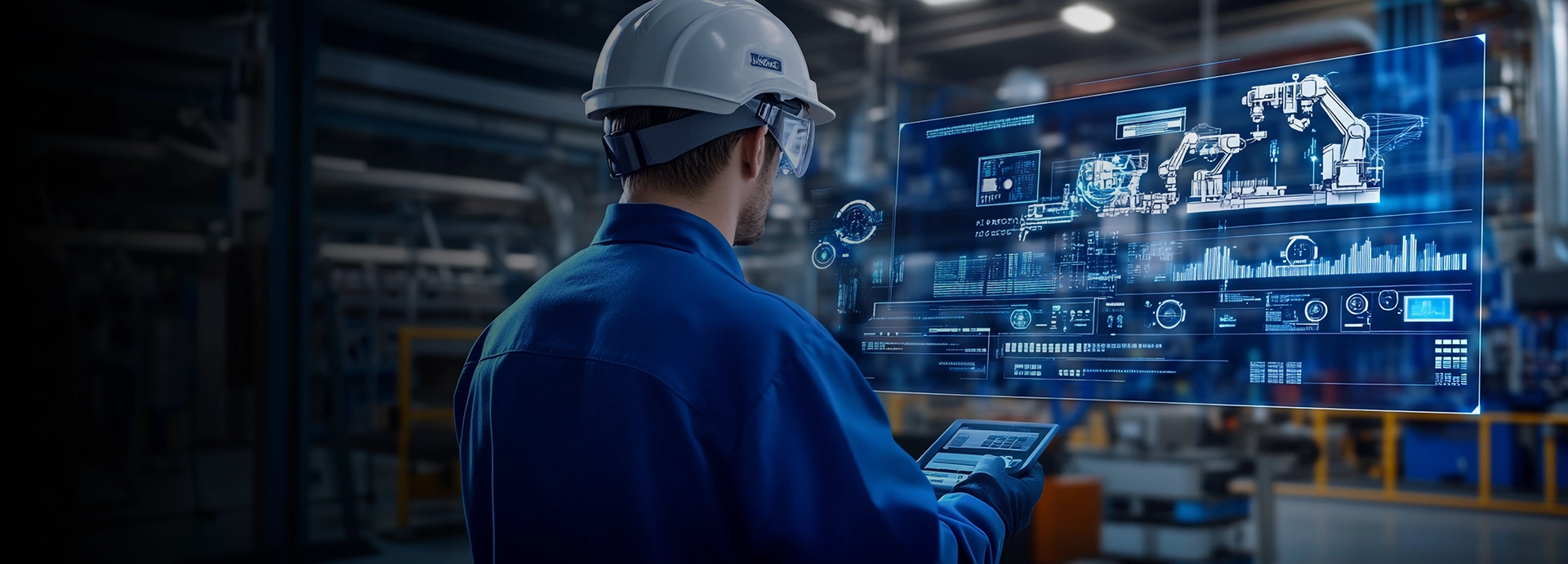
Global manufacturers are spending billions of dollars on automation solutions, Internet of Things (IoT) platforms, analytics tools, digital twins, and artificial intelligence (AI). Nevertheless, many smart factory implementations do not yield the anticipated results.
The problem is rarely related to the technology employed.
Academic studies conducted in various manufacturing industries have repeatedly found that the key issue behind the failure of implementing digital transformation in manufacturing companies is not the absence of technologies but the organizational unpreparedness to implement them. Organizations pay a lot of attention to technology implementation but do not realize how important it is to have aligned leadership, engaged staff, and adequate governance.
This is precisely why cultural change at smart factories becomes crucial for overall transformation success.
“Technology can help modernize processes, but it is the culture that decides if transformation will be a source of competitive advantage or just an expensive experiment.”
How Does Technology Not Equal Smart Factory by Itself?
A lot of companies consider smart factory transformation from the technological point of view. They buy interconnected devices, predictive maintenance solutions, industrial artificial intelligence solutions, and high-tech dashboards to instantly increase productivity.
However, just installing a new technology solution does not equal adopting it.
A company can install many different sensors in its factory, yet if operators are skeptical about information provided, management ignores suggestions made, and managers keep working intuitively, then the benefits of these technologies will not be realized.
Technology adoption is the most widespread challenge for connected factories.
Technology-driven transformations are usually not successful due to the following reasons:
- Systems before individuals
- Undervaluing the impact of change management
- Lack of top-management support
- Not changing workflows and processes
- Neglecting employee needs
Leadership buy-in: The Cornerstone of Intelligent Manufacturing
In every successful journey towards transformation, leaders play a crucial role.
The leadership of the company cannot outsource transformation to their technological experts and expect full enterprise transformation. An effective leadership team should show consistent commitment to change in alignment with corporate goals through constant messaging.
Employees watch their leaders.
Active usage of operational dashboards by leadership, discussion of digital key performance indicators (KPIs), membership in transformation steering committees, and celebrations of digital success are ways for a leadership team to send a strong message regarding their commitment to change.
Examples of leadership commitment could include:
- Consistent involvement in the operations floor
- Participation in digital transformation reviews
- Recognition of innovation efforts publicly
- Support for professional development training
- Efficient communication of the company’s transformation objectives
Effective manufacturing leadership will foster certainty during times of change
Workforce Reskilling: Transforming Employees into Change Partners
The implementation of technology is successful only when employees perceive themselves as partners of the change process.
The majority of manufacturing employees have apprehensions about the potential threat to their jobs due to automation and AI technologies.
Without addressing these fears, adoption will be delayed and sometimes even impeded.
Therefore, reskilling of employees for industry 4.0 becomes a critical issue.
Modern factories demand new competencies such as:
- Data analysis
- AI-supported decision making
- Digital processes management
- Predictive maintenance
- Human-machine cooperation
When organizations transform their factory employees, they are able to comprehend better how technology improves their performance.
Continuous learning initiatives must center around practical applications rather than complexity. It is necessary for factory workers to be comfortable using digital technologies in the context of their jobs.
With the increasing application of AI technologies in industry, the necessity of AI literacy will become parallel to that of efficiency and quality management.
Manufacturers that are most effective ensure that their employees have an active role in the change process through discovery and innovation.
Approaches to Handling Change Resistance in Manufacturing Environments
Change resistance is very common, particularly in environments where safety is essential.
Employees have had past experiences of change initiatives that have ended up in failure. Therefore, it becomes normal to resist change.
Some of the critical elements of change in a manufacturing environment include the following:
- Threat of unemployment
- Being uncertain about the future position
- Distrust of the new technology
- Breakdown of established procedures
- Poor communication
However, the best approach to combating resistance to change is involving employees in the change process.
Practical actions could be:
- Building cross-functional transformation teams
- Conducting pilots with frontline involvement
- Communicating success stories quantitatively
- Establishing transparent lines of communication
- Asking for feedback from employees during the implementation process
Governance and Accountability for Sustainable Transformation
A number of smart factory initiatives fail due to the lack of accountability.
When there is no governance, any effort to transform becomes fragmented within the operations, IT, engineering, and business departments.
Good governance ensures that there will be:
- Explicit decision-making authority
- Sense of ownership across departments
- Performance standards
- Governmental oversight
- Sustainable improvement processes
Most successful companies form transformation centers or steering committees to lead companywide transformations.
Another aspect of governance that needs to be considered includes setting objectives that can be measured and relate to business value, including:
- OEE
- Better throughput
- Better quality
- Lower downtime
- Better energy efficiency
- Workforce productivity indicators
Incentives to Foster Smart Factory Integration
Individuals tend to behave in ways that are encouraged and incentivized.
If managers want employees to adopt digital solutions while assessments continue to focus solely on old metrics, then adoption is bound to be delayed.
Incentive systems need to support desired behavior.
Incentives to foster transformation include:
- Innovation awards
- Evaluation of digital performance
- Transformative goals for teams
- Skill certifications
- Transformation-oriented leadership assessments
The integration of incentives into transformational objectives can accelerate the digital transformation of manufacturing by making strategy become reality.
It’s equally crucial to celebrate. Celebrating those adopting innovation fosters manufacturing innovation culture.
The Smart Factory Strategy – Focus on Building Cultural Foundations First
Technology continues to play a crucial role in today’s manufacturing processes; however, technology is just one of the many components required for successful transformation.
A sustainable smart manufacturing transformation process rests on five culture pillars:
1. Leadership Support
Leadership must commit to supporting the process and exhibit desired behaviors.
2. Staff Re-Skilling
Workforces must possess the knowledge and skills to be effective in digitally enabled manufacturing environments.
3. Change Management
Change management must incorporate constant communication and engagement.
4. Governance
Governance ensures accountability and structured decision making.
5. Reward Systems
Reward structures must align with desired behaviors.
Organizations that concentrate their efforts on such pillars will set themselves up for a sustainable manufacturing transformation journey.
Conclusion
The future of manufacturing leaders will not depend on the type of technologies they acquire, but rather their ability to foster an environment where those technologies are embraced and utilized efficiently.
Machine connections may be done. Data may be integrated. Artificial Intelligence may be implemented.
However, real transformations happen when all elements, such as leadership, workforce capabilities, organizational governance, and motivation, align towards a shared objective.
In summary, smart factory culture transformation is not just a complementary effort; rather, it becomes a core strategic decision for realizing the benefits of any industry 4.0 technology investments or failing to achieve them.
For transformation leaders seeking to drive massive change, the key question is no longer, “What technology should we adopt?” It is “What cultural transformations do we need to make the most out of what we already possess?”